.png)
Portuguese Pantry: what to take home

Step into almost any Portuguese kitchen, whether in Lisbon, the Alentejo countryside, or the Azores, and you’ll find a surprisingly consistent set of staples.
At first glance, it may look simple: olive oil, bay leaves, canned tuna. But those humble ingredients are the backbone of a cuisine that manages to be both deeply traditional and endlessly versatile.
Cooking at home remains central to daily life in Portugal. While cafés and casual eateries (tascas) are an important part of social culture, most families still prepare the majority of their meals themselves. Lunch has traditionally been the main meal, often a hearty stew or fish dish, while dinner, though sometimes lighter, is still usually warm. This is one of the subtle differences between Portuguese habits and those in neighboring Spain, where lighter evening meals are more common.
Geography plays a major role in shaping the pantry. The Atlantic ensures a strong presence of fish, fresh or canned, while inland agriculture provides legumes, bread, and cured meats. Regional variations exist (cornbread in Minho, almonds in the Algarve, dairy in the Azores), but across the country there’s a shared culinary DNA built on a short list of reliable ingredients.
Oils, condiments, and aromatics
At the heart of everything is olive oil. Most households keep at least two: a robust extra virgin for finishing dishes and a milder one for cooking. Wine vinegar, especially red wine vinegar, is another essential, used in salads, marinades, and seafood dishes.
Olives themselves appear frequently, both as a snack and as a finishing touch in dishes like bacalhau à Brás. Then there’s massa de pimentão, a thick paste of red peppers, garlic, and salt, crucial in marinades such as those for carne de porco à alentejana.
Garlic and onions form the base of countless recipes, usually cooked slowly in olive oil with bay leaf (louro), one of the most defining herbs in Portuguese cooking. Many families don’t even buy bay leaves, they come from a neighbor’s tree. For heat, there’s piri-piri, a legacy of Portugal’s historical ties to Africa, used to spice up grilled meats and seafood.
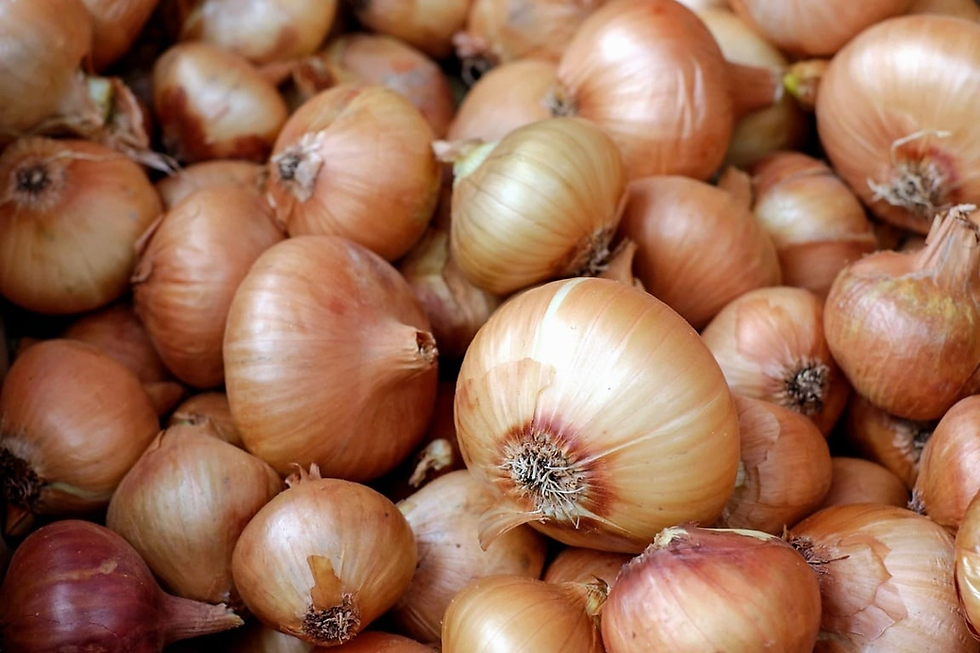
Despite global trends, Portuguese cooking doesn’t rely heavily on complex spice blends. Instead, it builds depth through repetition and technique using a small, familiar set of ingredients.
Bread, rice, and potatoes
Portuguese meals are built around starch, and often more than one at a time. It’s common to see rice or potatoes on the plate, plus bread on the side.
Bread has deep historical roots. From broa de milho (cornbread) in the north to pão alentejano in the south, regional styles reflect local agriculture. Traditionally, nothing was wasted: stale bread became dishes like açorda or migas.

Rice, especially the short-grain Carolino variety, is central to dishes like arroz de tomate or arroz de marisco, known for their creamy, “soupy” texture (arroz malandrinho). Potatoes, introduced from the Americas, became a staple due to their versatility and affordability, and today they’re sold by cooking purpose rather than variety.
It’s also common to see “double carbs”, like rice and fries on the same plate, a habit rooted in the need for filling, calorie-dense meals in agricultural communities.
Everyday proteins
Portuguese cooking often relies on modest but flavorful protein sources. Legumes like chickpeas, black-eyed peas, and beans have long been essential, though their role diminished as meat became more accessible. Today, they’re making a comeback thanks to health and sustainability trends.
Eggs are another staple, used in everything from savory dishes to desserts like leite creme or arroz doce.
Canned fish - tuna, sardines, mackerel - is not an afterthought but a respected ingredient, often preserved in olive oil and used in quick meals or salads.
Cured meats (enchidos) like chouriço or morcela are used sparingly to add depth to stews and soups, a tradition rooted in preservation practices and religious dietary restrictions.

And then there’s bacalhau, Portugal’s iconic salt cod. Despite not being locally caught, it became a staple because it stores well and can be transformed into countless dishes, from bacalhau à Brás to bacalhau com natas.
Cheese, butter, and fridge essentials
A Portuguese fridge usually holds a mild everyday cheese like queijo flamengo, alongside more distinctive regional cheeses such as Azeitão or Serra da Estrela. Butter, often salted, is another constant, used daily for bread and cooking.
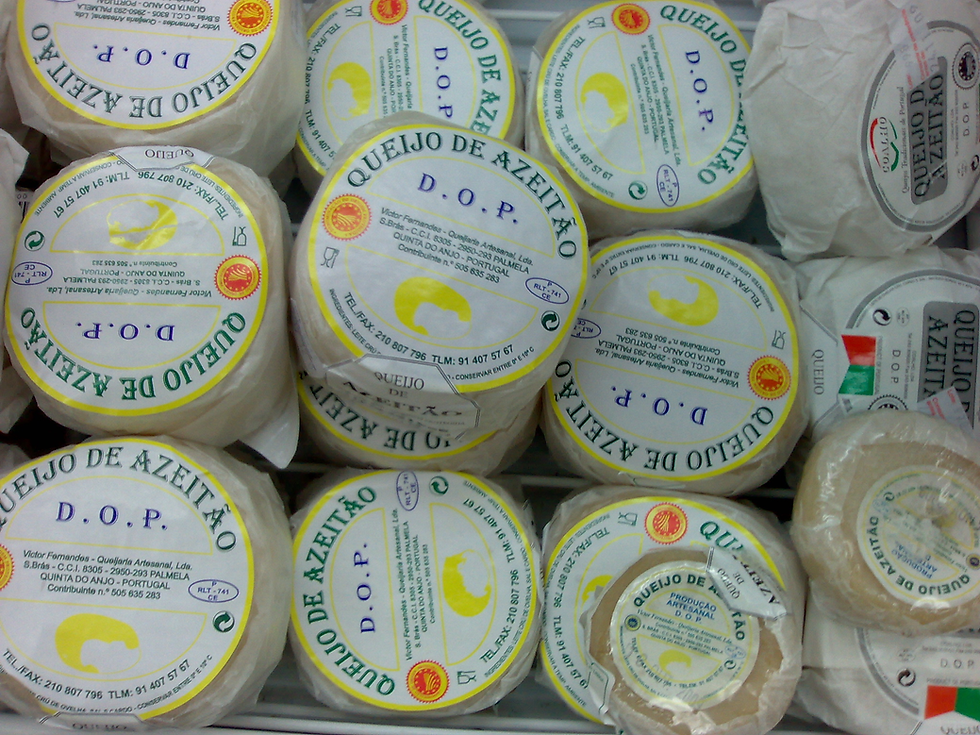
Marmelada (quince paste), once a household staple, is less common today but still cherished, especially paired with cheese.
Sweet pantry staples
Portuguese desserts rely on a core set of ingredients: sugar, cinnamon, egg yolks, and milk. Cinnamon, introduced through spice trade routes, is now inseparable from sweets like arroz doce or pastel de nata.

Sugar itself has deep historical roots tied to Portuguese colonial expansion in places like Madeira and Brazil. Over time, it became central to the country’s rich conventual pastry tradition.
Regional variations include honey in the south, dried fruits like figs and almonds in the Algarve, and preserved fruits or jams across the country. Even today, many people source honey or other staples directly from local producers.
What stands out about the Portuguese pantry isn’t its variety, it’s its restraint. A relatively small group of ingredients, used skillfully and repeatedly, creates a cuisine that feels both simple and deeply expressive.
Look closely at those shelves, and you’ll see more than food. You’ll see geography in the bread, history in the spices, and generations of resourcefulness in the way flavors are built.
Learn more about Portuguese food traditions 🇵🇹

This is not your regular food tour.
It’s a tasting experience of Lisbon, told through the dishes, artisans, and traditions that shape the city. If you travel to understand how locals live, what they cherish, and the flavors that define them, this experience was created for you.
🕛 Starts at 12 PM
⏱️ +/- 4 hours | 10 stops
📅 Available most days
🚶♀️ Not suited for limited mobility (but we can create a private tour suited for your needs)
👥 Private tours on request: where.to.lx@gmail.com


Comments